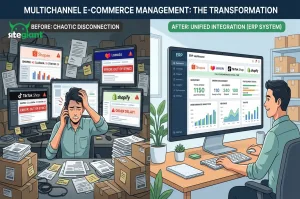

For eCommerce to thrive in Malaysia, data-driven decision-making is key, especially for sellers on Shopee, Lazada, TikTok Shop, and online stores. However, without the right reporting tools, retailers struggle to:
- Understand customer preferences and sales trends.
- Track business performance and profitability.
- Optimize inventory and marketing strategies.
Fortunately, reporting systems provide real-time insights into sales, inventory, and customer behavior.
- Key Metrics to Track for eCommerce Success
- How to Create Actionable Insights from Reports
- Integrating Reporting Features in ERP Platforms
- Conclusion: Data-Driven Decisions for eCommerce Growth
1. Key Metrics to Track for eCommerce Success
To optimize business strategies, Malaysian eCommerce sellers must monitor these critical performance metrics:
Sales Performance Metrics
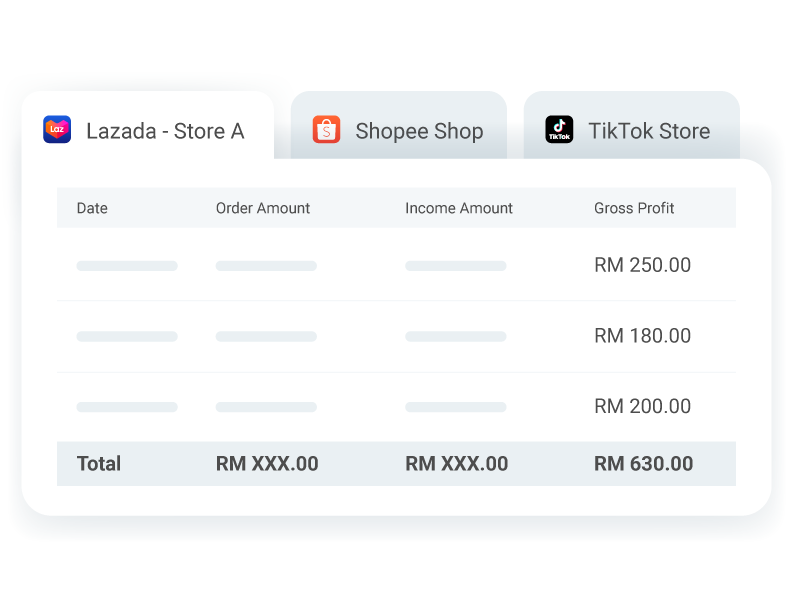
- Total Revenue & Sales Volume – Track revenue growth and daily/monthly order counts.
- Best-Selling Products – Identify which items generate the most sales.
- Sales by Marketplace – Compare Shopee, Lazada, and TikTok Shop performance.
- Example: A fashion retailer discovered that 70% of their sales came from Shopee, prompting them to increase ad spend on that platform.
Inventory & Fulfillment Metrics

- Dead Stock Report – Identify the unsold items, create strategic promotions to free up your warehouse space.
- Return & Refund Rates – Indicates potential product quality or service issues.
- Example: An electronics store improved order fulfillment time by 40% after tracking processing delays.
2. How to Create Actionable Insights from Reports
Step 1: Identify Trends & Patterns
- Use sales reports to spot seasonal demand (e.g., higher sales during 11.11 & Ramadan sales).
- Analyze customer purchase history to offer personalized product recommendations.
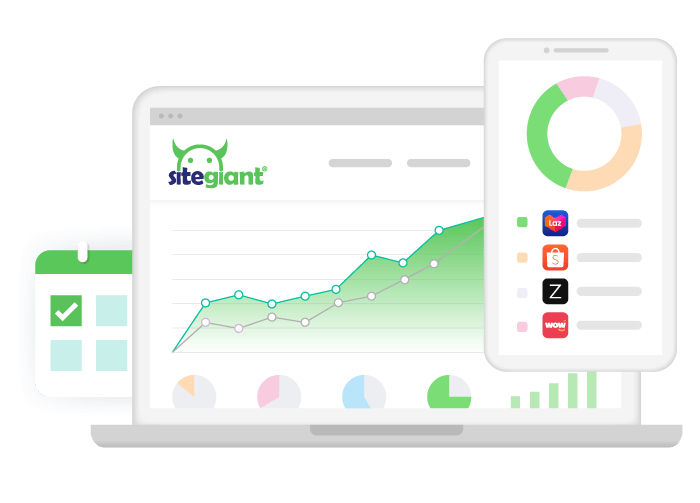
Example: A Malaysian home essentials store noticed a spike in air purifier sales during the haze season, allowing them to stock up in advance.
Step 2: Optimize Pricing & Promotions
- Competitor price tracking helps adjust prices dynamically for maximum competitiveness.
- Use loyalty points reports to fine-tune promotional offers.
- Example: A tech gadget seller analyzed pricing trends and increased sales by 30% by adjusting prices during peak shopping seasons.
Step 3: Improve Marketing ROI
- Ad performance reports reveal which ads bring the highest conversions.
- Customer segmentation data helps target the right audience with localized marketing.
- Example: A clothing brand noticed higher engagement from young professionals and refined its TikTok ad strategy, boosting sales by 50%.
3. Integrating Reporting Features in ERP Platforms
Benefits of Using ERP Reporting Tools
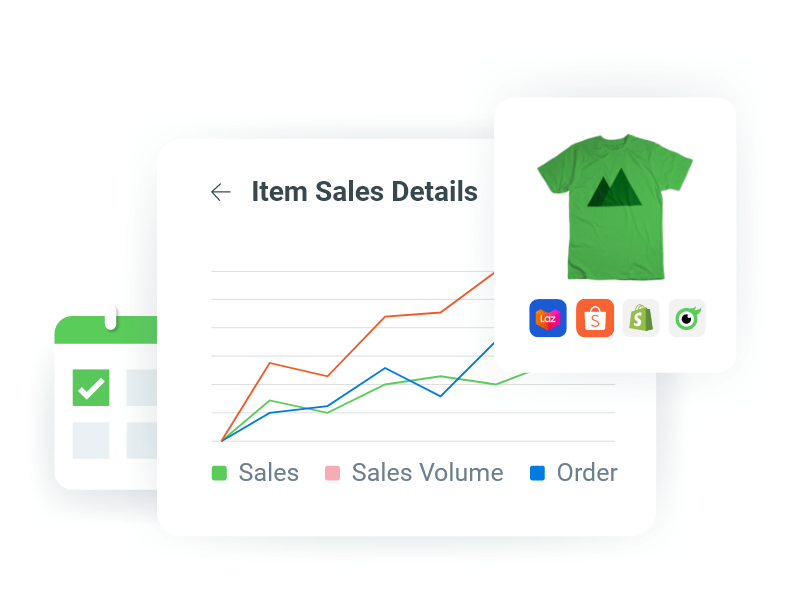
- Centralized Data Dashboard – View all marketplace performance metrics in one place.
- Automated Reports – Save time by auto-generating sales and inventory reports.
- Real-Time Data Analysis – Make quick decisions based on live business performance.
How to Integrate Reporting with ERP
- Step 1: Connect Shopee, Lazada, TikTok Shop, and Webstore to an ERP system.
- Step 2: Set up custom reporting filters (sales, customer behavior, fulfillment).
- Step 3: Generate daily, weekly, or monthly reports to track trends.
4. Conclusion: Data-Driven Decisions for eCommerce Growth
By leveraging reporting tools and ERP integration, Malaysian eCommerce sellers can not only gain valuable insights but also track key metrics and make data-driven decisions to scale their business.
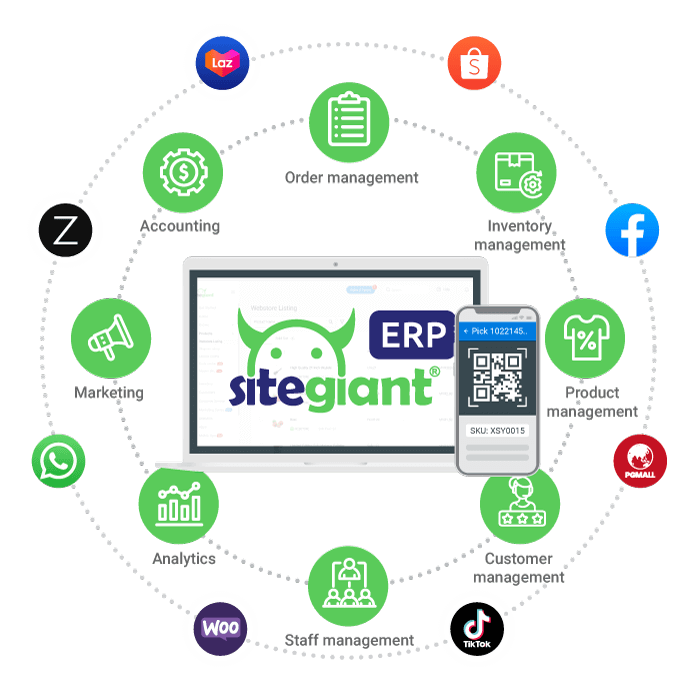
Try SiteGiant’s ERP Reporting for real-time analytics and growth optimization!