
Get ready, taxpayers. According to the Inland Revenue Board of Malaysia (IRBM) announcement, starting in August 2024, Malaysia will begin implementing e-invoicing, marking a significant step towards digital transformation in business operations. By replacing traditional paper-based invoices, e-invoices will streamline the recording of financial transactions and enable real-time data collection.
In this blog, we will guide you through how E-invoices work:
1. What are E-Invoices
2. When will the E-Invoice implementation start?
3. Which industries need to implement E-Invoicing?
4. Where to submit the E-Invoices?
5. What is the process of issuing an E-Invoice?
6. How Can SiteGiant help businesses with E-Invoicing in Malaysia?
7. Conclusion
1. What are E-Invoices?
E-invoices, or electronic invoices, are digital versions of traditional paper invoices used for billing and payments between businesses and their customers or clients. They are typically generated and transmitted in a structured digital format, such as XML or PDF with embedded data, which allows for automated processing.

Sent electronically through email, electronic data interchange (EDI) systems, or specialized e-invoicing platforms, e-invoices contain the same information as traditional invoices, including seller and buyer details, invoice number, date, itemized list of goods or services provided, prices, taxes, total amount due, and payment terms.
2. When will the E-Invoice Implementation Start?
According to the IRBM, e-invoicing will be implemented in phases to ensure a smooth transition.

📍The latest update from Finance Minister II Datuk Seri Amir Hamzah Azizan this July, MSMEs with annual revenues less than RM150,000 are exempt from issuing e-invoices currently. However, all businesses, including small traders, are encouraged to adopt e-invoicing to align with Malaysia’s digital business aspirations.
3. Which industries need to implement E-Invoicing?
The answer is all. All taxpayers undertaking commercial activities in Malaysia are required to issue e-invoices, following the phased mandatory implementation timeline.
4. Where to submit the E-Invoice?
There are two mechanisms to submit an e-invoice to IRBM, allowing suppliers to choose the most suitable and convenient method:
a) MyInvois Portal

Source: MyTax
A portal hosted by IRBM is an option that allows taxpayers to generate e-invoices manually ( Ideal for lower transaction volumes). You can access it via MyTax.
Click here for more information about MyInvois Portal
b) Application Programming Interface (API)
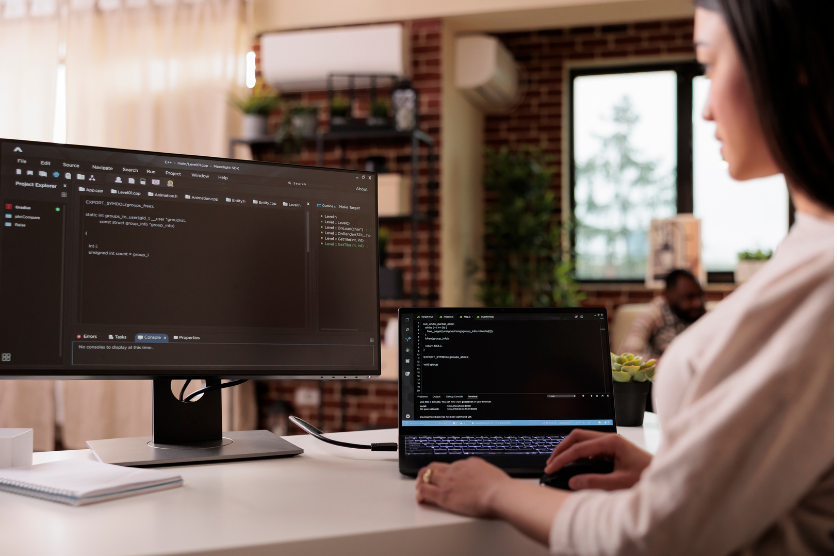
Source: Freepik
A set of programming codes that enable businesses to integrate their ERP, billing, or accounting systems with the MyInvois system via an API, suitable for handling large transaction volumes.
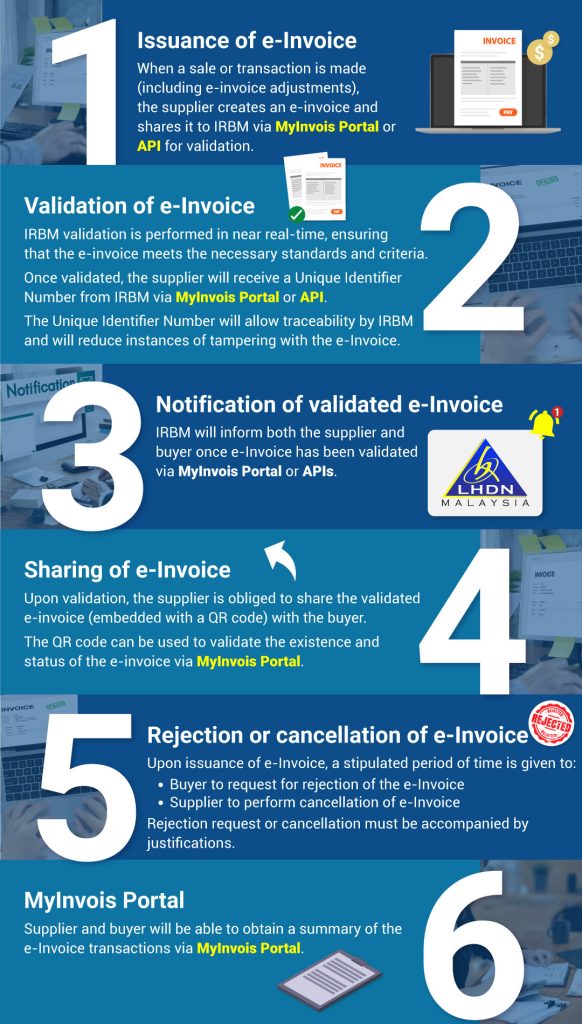
5. What is the process of issuing an e-invoice?
Below are the steps provided by IRBM for issuing an e-invoice:
Sometimes buyers might not request an e-invoice, IRBM allows suppliers to consolidate transactions with buyers who do not need an e-invoice into a monthly consolidated e-invoice.
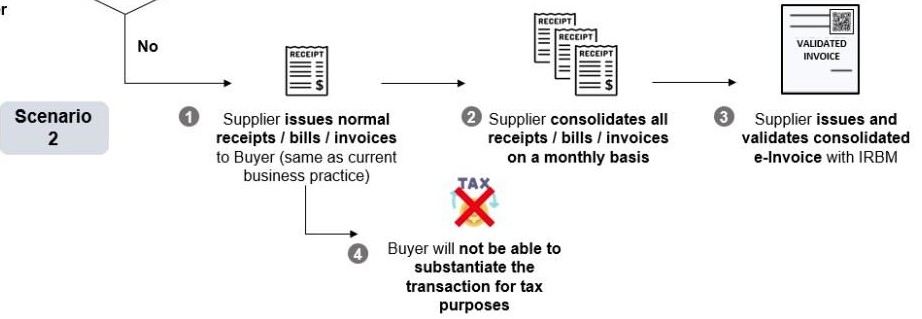
Source: E-invoice Specific Guideline
6. How Can SiteGiant help businesses with E-Invoicing in Malaysia?
For many businesses, this implementation is new and hectic as there is so much data and many channels that need to be overseen. In that case, you will need to look for a unified solution to streamline operations and conveniently generate e-invoices for customers.
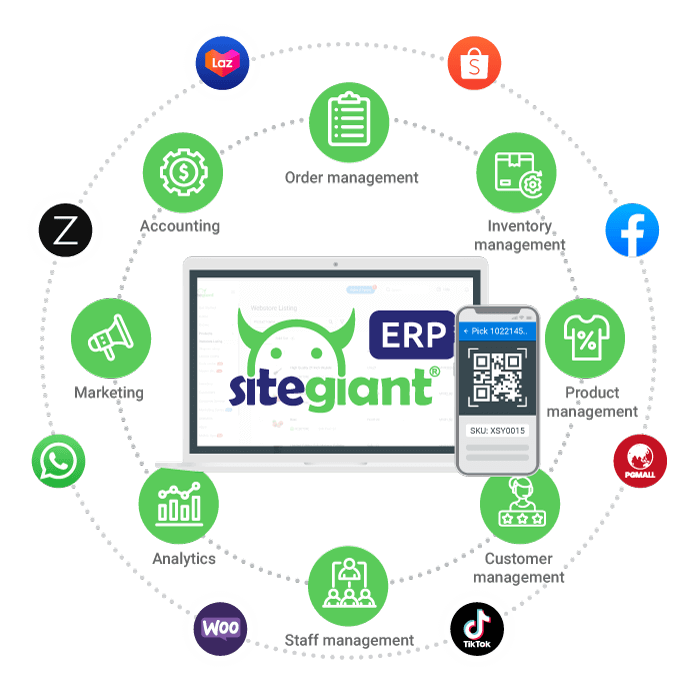
Source: SiteGiant ERP
SiteGiant provides all-in-one omnichannel e-commerce solutions, ideal for those seeking to simplify their workflows and enhance their customer experience.
With SiteGiant, businesses can seamlessly integrate their sales channels and accounting software, manage inventory, and automate the invoicing process, ensuring a smooth transition to e-invoicing. This comprehensive platform not only helps reduce manual work but also improves accuracy and efficiency, allowing you to focus on growing your business.
Conclusion
The upcoming implementation of e-invoicing in Malaysia represents a major shift towards a more efficient and transparent business environment. By adopting e-invoicing, businesses can not only comply with regulatory requirements but also benefit from streamlined operations and improved accuracy.
As the country moves towards this digital transformation, tools like SiteGiant can play a crucial role in helping businesses adapt and thrive in the new landscape. Now is the perfect time to explore e-invoicing solutions and prepare your business for a seamless transition.