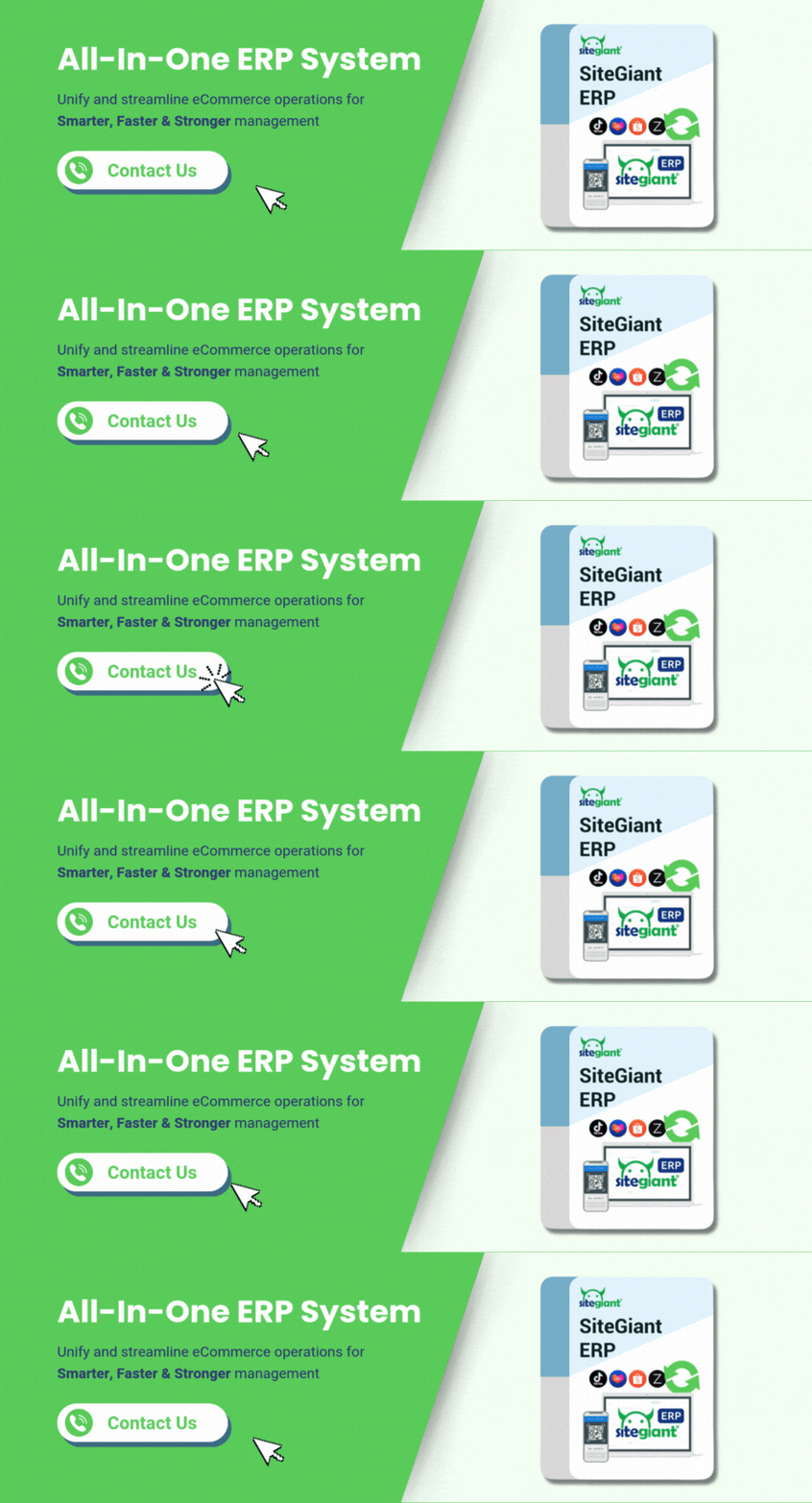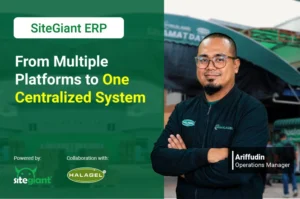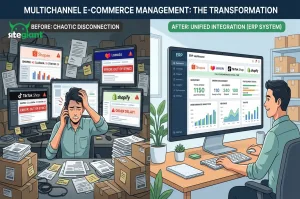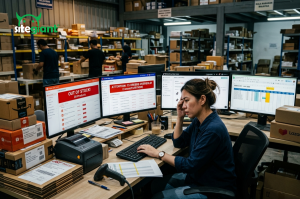

- Overselling stock leads to marketplace penalties and forced cancellations.
- Manual data entry across platforms wastes hours of valuable time daily.
- Scattered customer messages across apps result in missed enquiries and lost sales.
- Disconnected retail and online stock causes inventory chaos and inaccurate records.
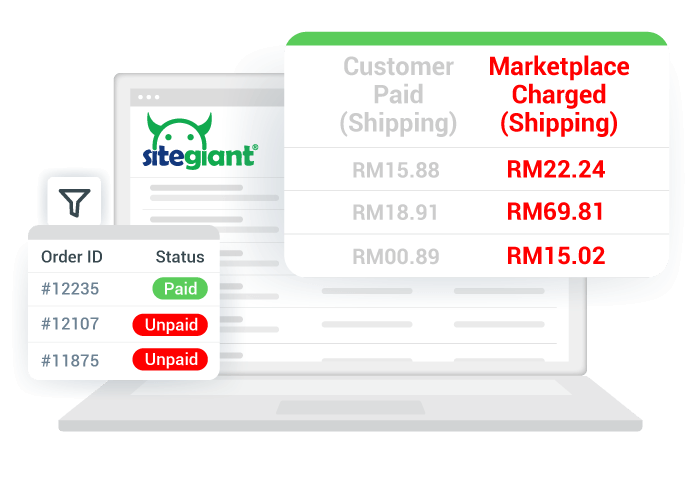
- Untracked shipping fee overcharges silently drain your total profit.
What Is ERP?

- Sales & Orders: Consolidate orders from Shopee, Lazada, and your webstore into one list.
- Inventory: Maintain one master stock count that updates everywhere automatically.
- Customers: Keep a unified record of buyer history and communications.
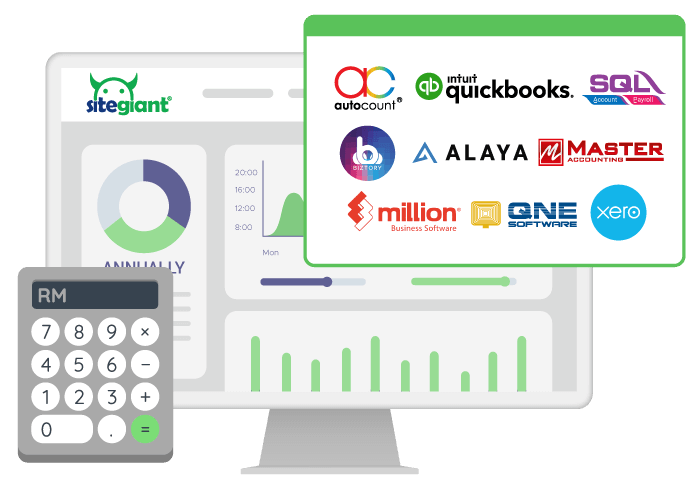
- Finances: Sync your sales data directly with accounting software for easy bookkeeping.
Why eCommerce Businesses Need an ERP System

- Centralise products, orders, inventory, customers, and financial data
- Eliminate data silos created by multiple sales channels
- Improve efficiency without increasing manpower
- Gain real-time visibility into sales, stock, and operations
- Automate workflows to reduce errors and delays
- Support sustainable and scalable business growth
Key Benefits of Implementing an eCommerce ERP

- Centralised Operations: Manage all core business functions from one system
- Real-Time Tracking: Maintain accurate inventory and order status at all times
- Automation: Reduce manual work and operational errors
- Faster Fulfilment: Improve picking, packing, and delivery efficiency
- Better Customer Experience: Respond faster and fulfil orders more reliably
- Actionable Insights: Make smarter decisions using accurate reports
- Cost Control: Monitor stock value, fees, and profitability
- Scalability: Grow order volume without operational chaos
Common Challenges Without ERP

- Inventory mismatch across platforms, causing overselling or stockouts
- Manual order processing that leads to human errors
- Delayed fulfilment and unhappy customers
- Customer messages scattered across multiple channels
- Limited visibility into performance and profitability
- Difficulty scaling operations efficiently
Who Needs an ERP System?

- Selling across multiple marketplaces or webstores
- Experiencing growth-related operational bottlenecks
- Handling high daily order volumes
- Managing inventory across multiple locations
- Planning long-term business expansion
How to Choose an ERP

- Integration with Marketplaces & Webstores: Ensure it connects seamlessly with all sales channels you use
- Strong Inventory & Order Management: Centralise stock and orders for accurate, efficient operations
- Automation of Workflows: Reduce manual tasks and human errors
- Reporting & Analytics: Access clear insights for smarter decision-making
- Scalability & Flexibility: Support growth and adapt to changing business needs
- Cost vs Value: Evaluate ROI, not just upfront fees
- Support & Onboarding: Look for local assistance, training, and reliable customer support
SiteGiant ERP: Simplify Your eCommerce Business Operations
- Unified Listings: Bulk edit and sync products across all platforms at once.
- Instant Stock Sync: Real-time inventory updates to prevent overselling.
- One-Stop Order Hub: Process all incoming orders from a single list.
- Centralized Pricing: Update discounts and prices across channels instantly.
- Better Service: Manage returns and enquiries centrally for faster responses.
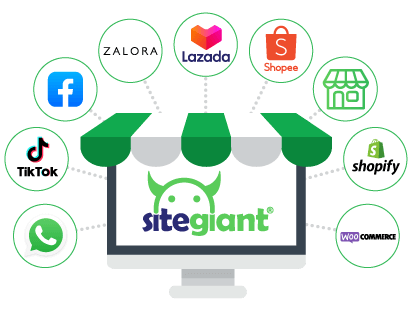
- Auto-migration: Automatically migrate existing product listings when integrating new sales channels.
- Bulk Copy: Sync and publish product listings to multiple marketplaces in one go.
- Centralised Updates: Edit, update, or remove product details from a single dashboard.
- Pricing Management: Update different prices for various sales channels simultaneously.
- Product Scraping: Scrape product details from online sources and quickly list them in your store.

- Centralised Fulfilment: Consolidate orders from all marketplaces and webstores into one system.
- Systematic Picking: Improve picking efficiency with structured picking workflows.
- 99.9% Error-Free Packing: Reduce packing mistakes using the Order Fulfilment Assistant.
- Shipping Integration: Direct integration with logistics providers for faster shipping processes.
- Return Management: Track and manage customer returns with better visibility and control.

- Real-Time Sync: Keep online and offline stock levels updated automatically.
- Multi-Warehouse Management: Track inventory movements across multiple warehouses and outlets.
- Stock value report: Monitor inventory value to better control costs, plan purchasing, and improve cash flow visibility.
- Consolidated Customer Data: View customer lists and order history from all owned channels in one place.
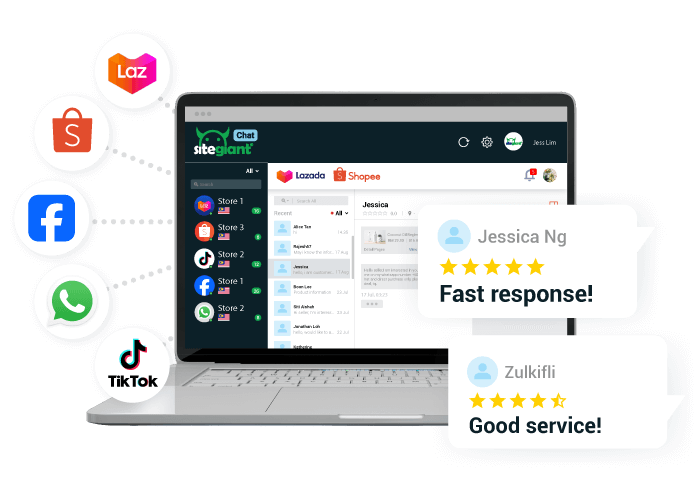
- SiteGiant MultiChat: Respond to customer enquiries from multiple platforms using a single dashboard.
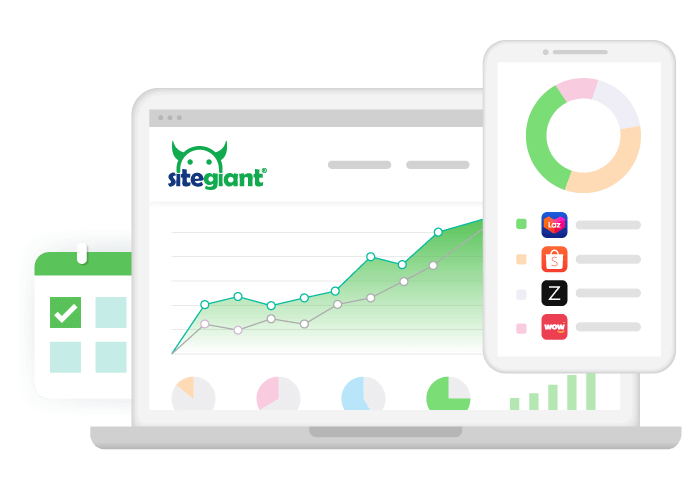
- Marketplace Gross Profit Reports
- Channel Performance Reports
- Item Performance Reports
- Dead Stock Reports
- Master SKU Reports
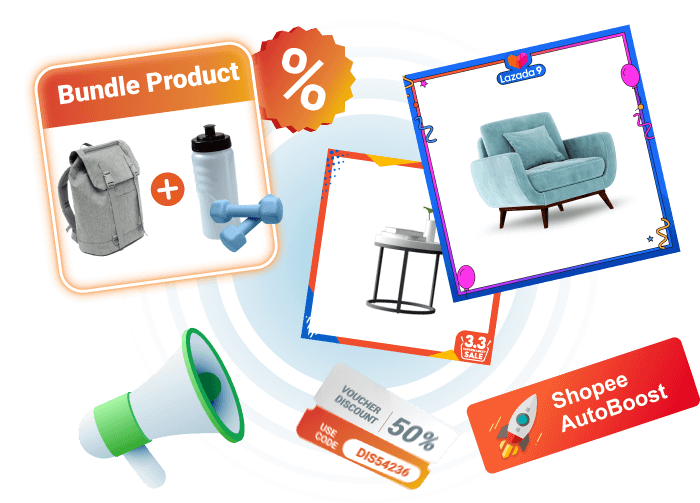
- Product Watermark: Apply promo frames or sale labels to product images in bulk.
- Shopee AutoBoost: Automatically boost 5 Shopee products every 4 hours
- Marketplace Free Gifts: Set marketplace free gift based on customer purchase price, quantity and specific product to increase customer average order value.
Staff Management
- Role-Based Permissions: Control what each staff member can access.
- Staff KPI Tracking: Monitor productivity like picking and packing performance.

- Automatically calculate shipping fee overcharges.
- Track paid, unpaid, and late payments from Shopee, Lazada, and TikTok Shop.

Proven Results from Local Sellers
"Inventory sync across all online and offline stores solved our biggest business headache."
With SiteGiant, I only need one batch of stock to sell across Shopee, Lazada, TikTok Shop, and my physical outlet. Every sale automatically updates stock levels, whether online or in-store. The POS system makes it easy to scan items and deduct stock in real-time, saving time, reducing mistakes, and letting me focus on growing my business.⭐⭐⭐⭐⭐ 5/5
Emilhan Mokhtar
Kita Shop Sabah
It syncs orders, streamlines inventory across channels, and reduces manual work!"
I’ve been using SiteGiant for about 7 to 8 years, it’s definitely a great choice! SiteGiant ERP help us syncs multichannel orders, simplifies inventory management, tracks overpaid marketplace transactions and reduces the manual work of printing orders. It also easy for us to manage customer service more effectively. Our customers can repurchase, receive special offers, and redeem vouchers, all within one system.⭐⭐⭐⭐⭐ 5/5
Calvin
Sixstar I.T
Frequently Asked Questions (FAQ)
Can I integrate my existing accounting software with an ERP system?
How easy is it to migrate my existing products listing into an ERP system?
How long does it take to set up an ERP system?
Do I need technical skills to use an ERP system?
Can an ERP system help me manage multiple marketplaces and channels?
Conclusion