
With businesses selling on platforms like Shopee, Lazada, TikTok Shop, and their websites, Malaysia’s eCommerce sector is booming. However, as order volumes grow, merchants often face issues like processing errors, inventory mismatches, and delivery delays. That’s where Order Management Systems (OMS) come in. An OMS helps streamline operations by automating order processing, improving accuracy, and connecting with multiple sales channels.
- How OMS Helps Streamline Order Processing and Minimize Errors
- Benefits of Integrating an OMS with Popular Marketplaces
- Real-World Examples of Successful Order Management Implementations
- Conclusion: Why Every Malaysian eCommerce Seller Needs an OMS
1. How OMS Helps Streamline Order Processing and Minimize Errors
An Order Management System (OMS) automates and optimizes the entire order lifecycle—from order placement to fulfillment. Without an OMS, sellers often experience, as a result:
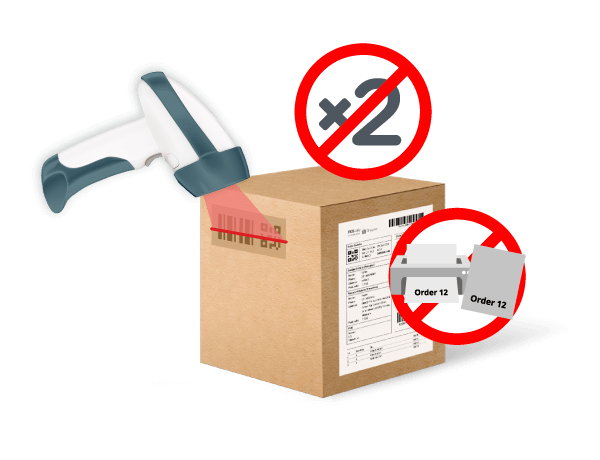
- Manual order processing errors (wrong items shipped, incorrect addresses).
- Overselling issues due to delayed inventory updates.
- Slow fulfillment speeds, leading to negative customer reviews.
By using an OMS, eCommerce sellers can:
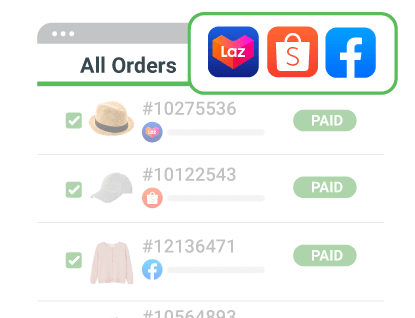
- Automatically sync orders across Shopee, Lazada, and TikTok Shop in real-time.
- Reduce order processing time with automated fulfillment workflows.
- Minimize human errors by centralizing order details in one dashboard.
- Track shipping statuses and notify customers about deliveries.
2. Benefits of Integrating an OMS with Popular Marketplaces
One of the biggest advantages of an OMS is its ability to integrate with multiple marketplaces. As a result, sellers can manage all orders from one platform.
Key Benefits of Marketplace Integration:

- Centralized Order Management – View and manage orders from Shopee, Lazada, and TikTok Shop in a single dashboard.
- Real-Time Inventory Sync – Prevent overselling by automatically updating stock levels across platforms.
- Faster Fulfillment – Reduce order processing time with auto-assigned logistics and tracking updates.
- Seamless Returns & Refunds Handling – Manage customer return requests efficiently.
3. Real-world examples of Successful Order Management Implementations
Case Study 1: A Shopee Merchant Handling 1,000+ Orders Daily
While the benefits are significant, multichannel selling comes with challenges:
Problem: A Malaysian home essentials seller struggled to keep up with increasing order volumes on Shopee, leading to delays, stock discrepancies, and unhappy customers.
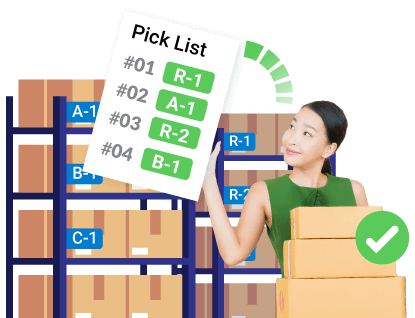
Solution: By adopting an Order Management System (OMS), they automated order processing, synced inventory across platforms, and optimized fulfillment.
Result:
- Reduced order errors by 80%
- Faster processing time (from 48 hours to 12 hours)
- Increased positive customer reviews
Case Study 2: A TikTok Shop Brand Scaling from 100 to 800 Orders/Day
Problem: A beauty brand selling on TikTok Shop and Lazada faced inventory mismatches and frequent overselling issues.
Solution: After integrating an OMS with real-time inventory tracking, they eliminated overselling problems and automated order fulfillment.
Result:
- Improved inventory accuracy by 95%
- Expanded to more sales channels without logistical issues
- Higher repeat purchases due to faster deliveries
4. Conclusion: Why Every Malaysian eCommerce Seller Needs an OMS
For e-commerce vendors, an Order Management System (OMS) is now a necessity rather than an option. By automating order processing, reducing errors, and integrating with Shopee, Lazada, and TikTok Shop, an OMS helps businesses scale efficiently while also improving customer satisfaction.
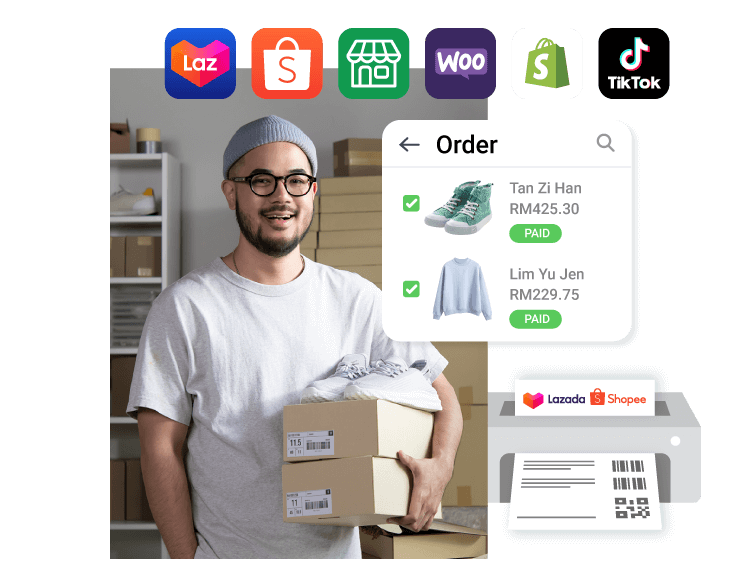
Explore SiteGiant’s OMS for seamless eCommerce operations!