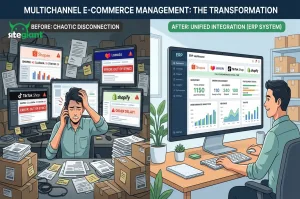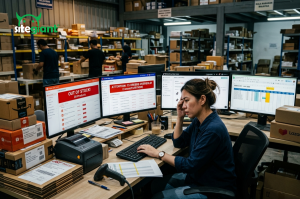

One of the biggest challenges in Malaysian eCommerce is managing payments. With sellers using Shopee, Lazada, TikTok Shop, and their websites, keeping track of payments, fees, refunds, and chargebacks can be tough.
Without a strong payment reconciliation system, merchants risk:
- Inconsistent sales income due to unrecorded transactions.
- Payment delays are caused by mismatches between marketplace reports and bank deposits.
- Lost profits from commissions, refunds, and hidden transaction fees.
However, ERP systems and automated reconciliation tools help merchants easily manage, verify, and consolidate payment data, ensuring smoother operations.
- Challenges of Payment Reconciliation in Multichannel Selling
- Tools and Strategies to Streamline Reconciliation Processes
- How to Integrate Payment Data into ERP Systems
- Conclusion: Simplify Payment Reconciliation with Automation
1. Challenges of Payment Reconciliation in Multichannel Selling
When selling on multiple eCommerce platforms, payment reconciliation becomes complex due to:
Delayed Payouts from Marketplaces
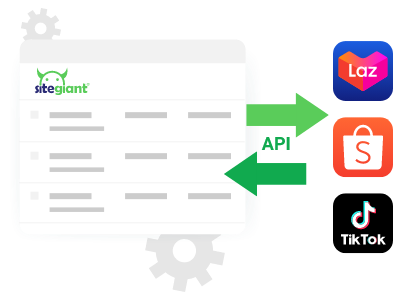
Platforms like Shopee, Lazada, and TikTok Shop release payments on different schedules, making it difficult to track when revenue will hit your bank account.
Example: Shopee may release payments within 3-5 days after order completion, while TikTok Shop might take up to 7 days.
Hidden Fees and Deductions
Marketplaces deduct transaction fees, commissions, and promotional costs before releasing payouts. If not tracked properly, these deductions can reduce profit margins.
Example: A merchant selling on Lazada might expect RM5,000 in sales but receive only RM4,500 after platform fees and commissions.
Refunds, Chargebacks & Disputed Transactions
Customers requesting refunds or chargebacks further complicate reconciliation, as transactions may be reversed after payouts are issued.
Example: A seller receives RM10,000 in payouts but later discovers RM1,500 worth of chargebacks and refunds, leading to unexpected cash flow issues.
2. Tools and Strategies to Streamline Reconciliation Processes
To overcome these challenges, eCommerce sellers can implement the following payment reconciliation strategies:
Automate Payment Tracking with ERP Systems
- An ERP system centralizes all payment data, ensuring sellers can track incoming payments, fees, and refunds across platforms in real-time.
- Automatically generates financial reports to track sales performance.
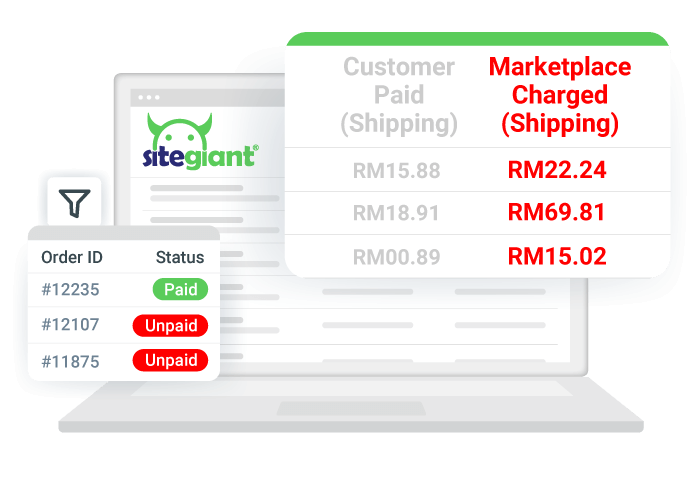
Example: A Malaysian cosmetics brand used an ERP solution to track payment, reducing reconciliation errors by 85%.
Use Payment Reconciliation Tools
Dedicated tools can automatically:
- Match order details with payment records from Shopee, Lazada, and TikTok Shop.
- Identify missing payments, incorrect deductions, or refund discrepancies.
- Generate reconciliation reports for accounting and tax compliance.
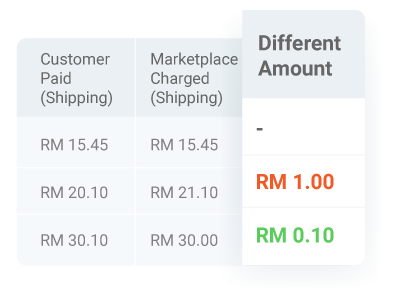
Example: A merchant selling on multiple platforms used a payment reconciliation tool to recover RM2,500 in miscalculated deductions over three months.
3. How to Integrate Payment Data into ERP Systems
Step-by-Step Process to Integrate Payment Reconciliation into ERP
- Step 1: Connect Sales Channels
Link Shopee, Lazada, TikTok Shop, and online store accounts to your ERP system for real-time data syncing.
- Step 2: Match Payments with Sales Records
The ERP automatically compares received payments with order details, flagging discrepancies.
- Step 3: Categorize Deductions & Refunds
The system tracks commissions, fees, and refund transactions, ensuring accurate accounting.
- Step 4: Generate Reports for Financial Planning
The ERP provides profitability insights, helping sellers track revenue trends and avoid hidden losses.
4. Conclusion: Simplify Payment Reconciliation with Automation
Although handling payment reconciliation in eCommerce is difficult, sellers can still automate the process, reduce errors, and improve financial visibility with the right tools and ERP connectivity.
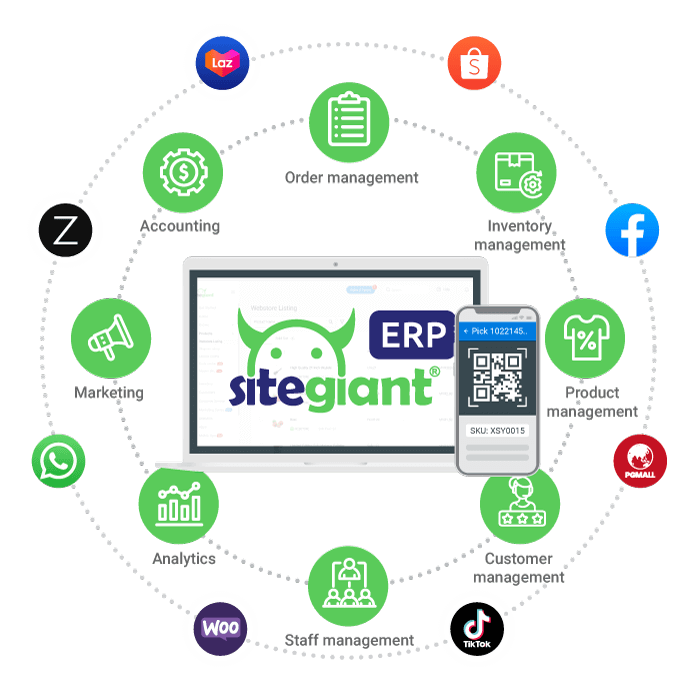
Discover SiteGiant’s ERP Payment Tracking for seamless financial management!