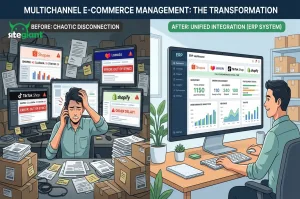

Malaysia’s eCommerce sector is growing rapidly, with thousands of vendors managing multiple stores on platforms like Shopee, Lazada, and TikTok Shop. However, as businesses expand, challenges like fragmented data, order delays, and inventory mismatches become more common, affecting efficiency. This is where ERP (Enterprise Resource Planning) systems come in. They help eCommerce businesses in Malaysia streamline operations, automate workflows, and provide real-time data insights. As a result, ERP solutions are becoming the backbone of successful online businesses. Let’s explore how they are transforming the industry.
- Key Features of ERP Systems for eCommerce
- How ERP Systems Streamline Product, Inventory, and Order Management
- Case Studies of Successful ERP Adoption in Malaysia
- Conclusion: Is an ERP System Right for Your eCommerce Business?
1. Key Features of ERP Systems for eCommerce
An ERP system for eCommerce integrates various business processes into a single platform. Here are some key features that empower Malaysian online sellers:
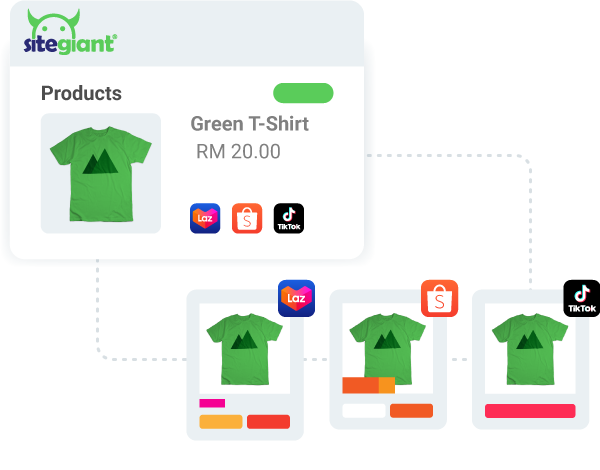
- Centralized Inventory Management – Sync real-time stock levels across Shopee, Lazada, and TikTok Shop.
- Automated Order Processing – Reduce manual order entry errors and improve fulfillment speed.
- Multi-Channel Product Listing – Easily manage product listings across different marketplaces from one dashboard.
- Financial & Accounting Integration – Track revenue, expenses, and profits effortlessly.
- Customer Relationship Management (CRM) – Maintain customer data, order history, and engagement tracking.
- Data Analytics & Reporting – Generate insights on sales trends, product performance, and stock movements.
2. How ERP Systems Streamline Product, Inventory, and Order Management
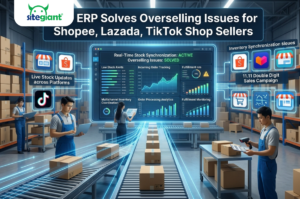
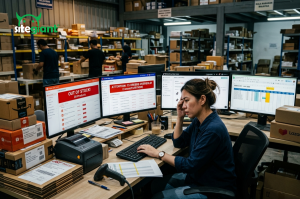
One of the biggest challenges e-commerce sellers face is inventory mismanagement—leading to overselling, stockouts, or order delays. ERP systems solve these issues by:
- Real-Time Stock Synchronization – Updates inventory automatically across multiple online stores.
- Restocking Alerts – Prevents stock shortages by notifying sellers when inventory is low.
- Faster Order Fulfillment – Reduces human errors and speeds up processing through automation.
- Smart Product Categorization – Helps sellers organize SKUs for better listing management.
Example: A Malaysian fashion retailer using an ERP system can track real-time stock availability across Shopee and Lazada. If a product is out of stock, the system alerts the merchant to prevent overselling.
3. Case Studies of Successful ERP Adoption in Malaysia
Case Study 1: A Shopee Seller Scaling from 50 to 500 Orders/Day
Problem: A Malaysian entrepreneur selling electronics on Shopee struggled with order management delays and frequent stock mismatches.
Solution: After implementing an ERP system, the seller automated inventory tracking, integrated orders from Shopee and TikTok Shop, and reduced order processing time by 70%.
Result: The seller scaled from 50 orders per day to 500+ orders daily without increasing operational workload.
Case Study 2: A Fashion Brand Expanding Across Lazada & TikTok Shop
Problem: A local fashion brand faced difficulties managing multi-channel product listings and stock availability across platforms.
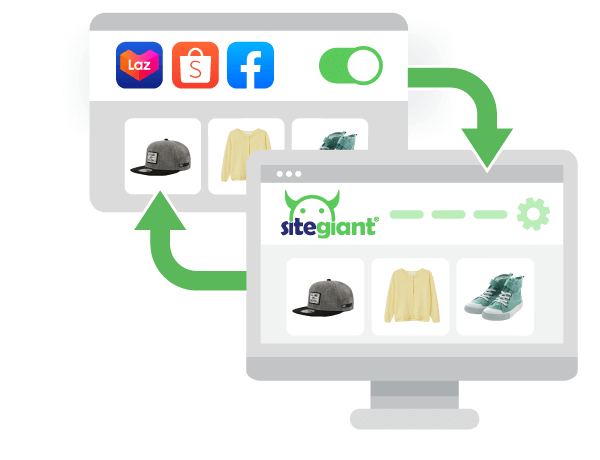
Solution: By adopting an ERP solution, they centralized product management, automated pricing updates, and synced inventory levels across all stores.
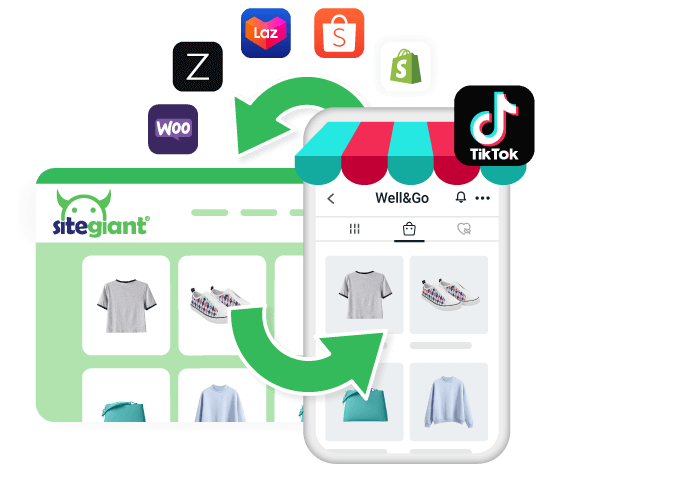
Result: The brand expanded its reach on Lazada and TikTok Shop, increasing sales by 120% in six months.
4. Conclusion: Is an ERP System Right for Your eCommerce Business?
An ERP system is more than just a tool for Malaysian eCommerce vendors; rather, it’s a game-changer. By streamlining processes, improving order management, and managing inventories, ERP systems help businesses scale more efficiently.
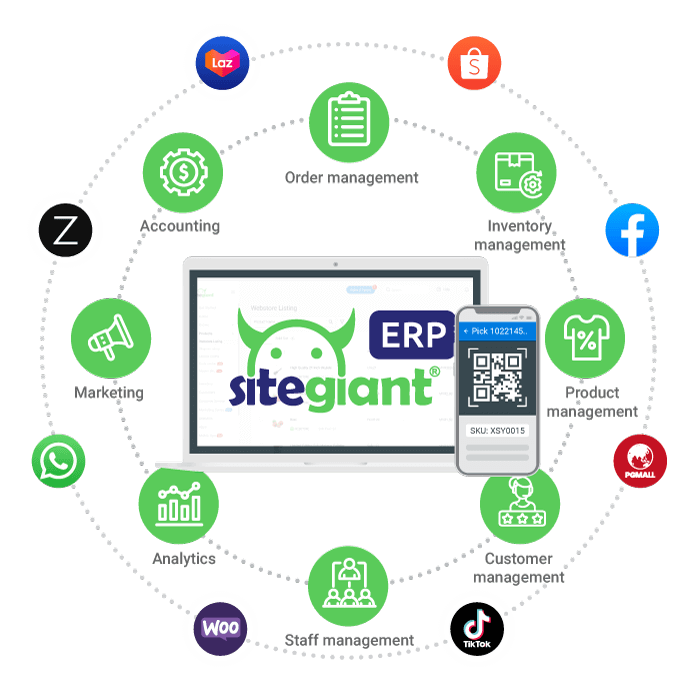
Try SiteGiant ERP and take your business to the next level!